


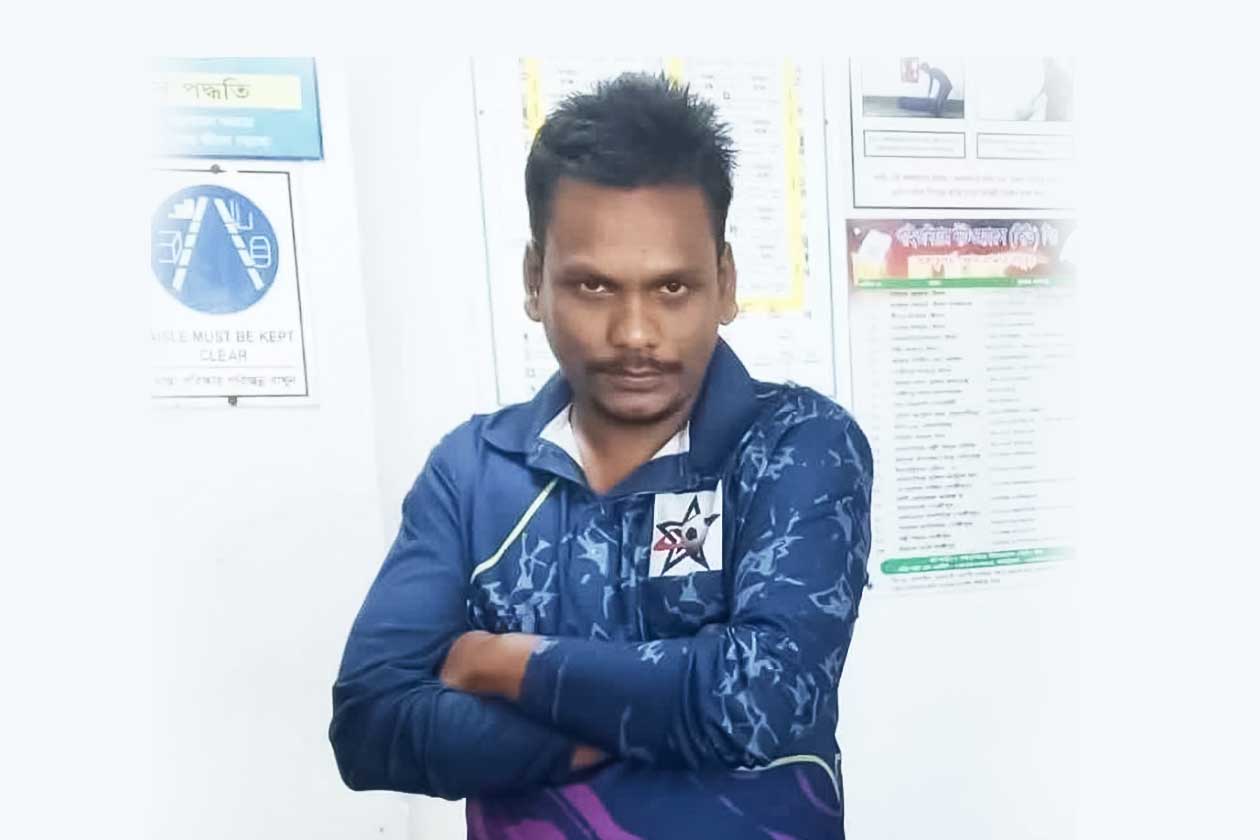
Dipu Chandra Das Killing: An Example of Demonic Religious Extremism and Exuberance in Bangladesh. The killing of a young garment worker in northern Bangladesh has triggered nationwide outrage and renewed concerns over mob violence, religious vigilantism, and corporate negligence. Dipu Chandra Das, 28, was beaten to death and his body set on fire in public after an unproven and baseless allegation of religious insult, in what law enforcement officials have described as an indefensible act of collective violence.
Dipu, an employee at Pioneer Knitwears BD Ltd. in Bhaluka, Mymensingh, was the sole breadwinner for his family, which includes his wife, a one-year-old daughter, and elderly parents. Investigators say there is no direct evidence supporting the allegation of religious blasphemy that ultimately led to his death. Instead, authorities point to a chain of failures—by individuals, a workplace, and the surrounding community—that allowed a rumor to escalate into a fatal attack.
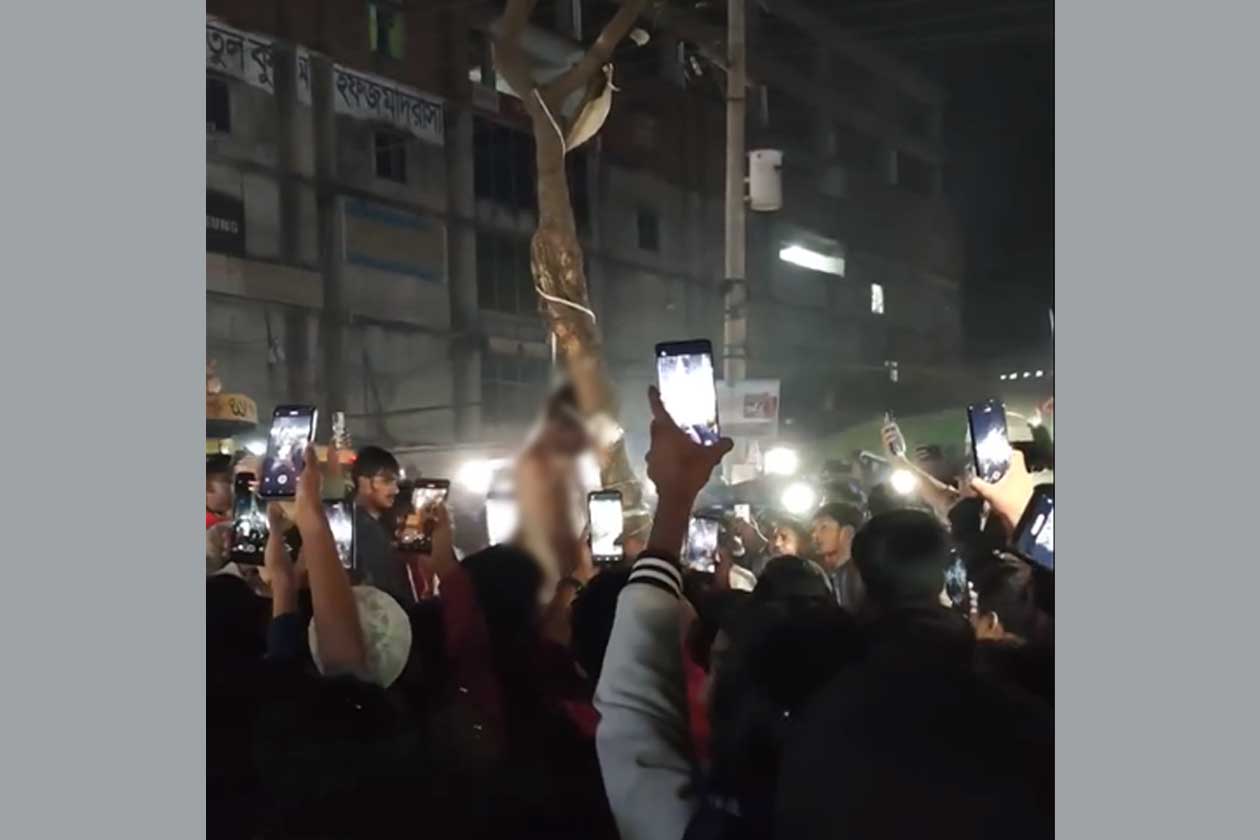
Graphic videos of the killing circulated widely on social media, prompting public condemnation and forcing a swift response from security agencies. Rights advocates say the case highlights a dangerous pattern in which accusations of religious offense—often unverified—are used to justify extrajudicial violence.
Timeline of Events
4:00–5:00 pm: Allegation Emerges
According to investigators, a dispute broke out inside the factory during working hours. Amid the altercation, rumors began circulating that Dipu had made derogatory remarks about Islam. Witnesses interviewed by authorities have been unable to clearly state what was said, to whom, or in what context.
Evening: Assault Inside the Factory
Tensions escalated as Dipu was physically assaulted by co-workers inside the factory premises. Meanwhile, a crowd began gathering outside the facility, reportedly fueled by word-of-mouth accusations.
Forced Resignation and Handing Over to a Islamic Fanatic Mob
Rather than contacting police or ensuring Dipu’s safety, factory officials forced him to resign. According to the Rapid Action Battalion (RAB), Dipu was then handed over to an agitated crowd outside the factory gates—an action investigators say directly exposed him to lethal danger.
After 9:00 pm: Public Killing
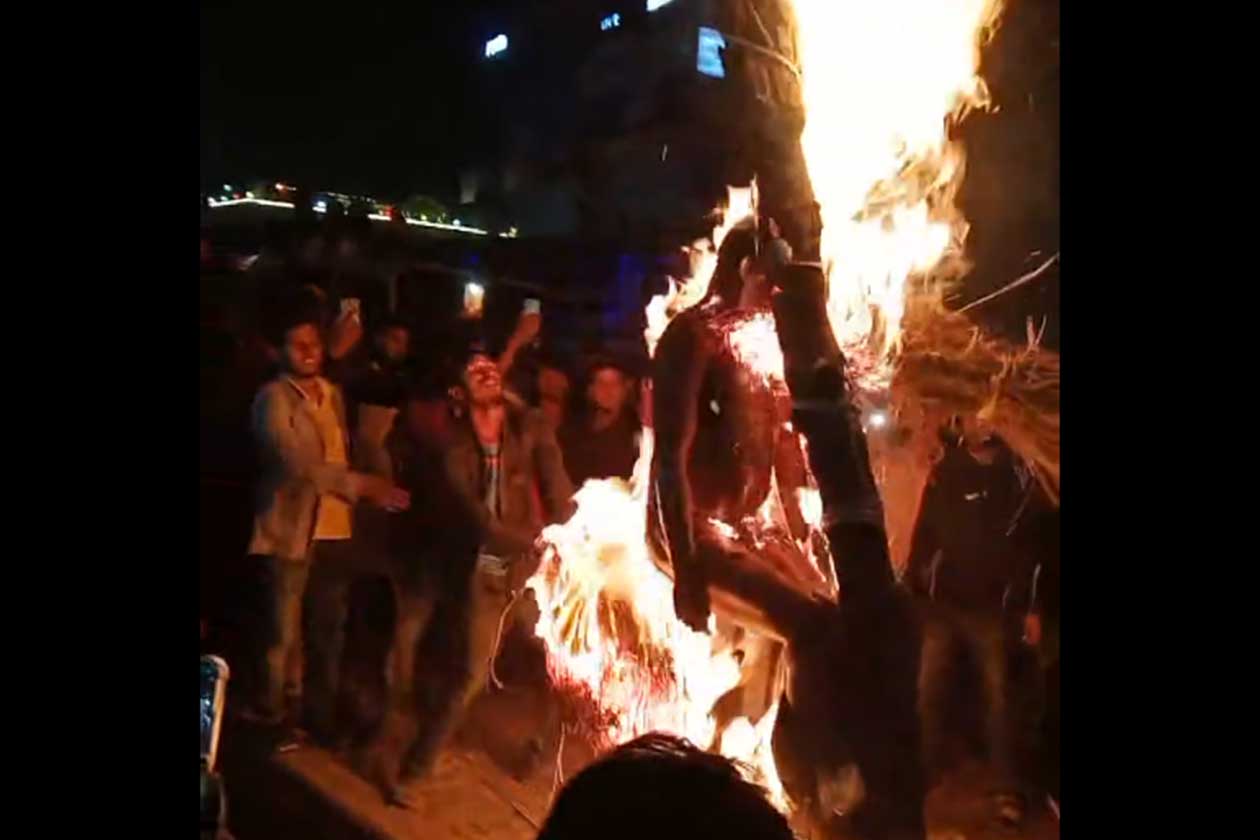
Dipu was taken to the Jamirdia area along the Dhaka–Mymensingh highway, where he was beaten to death. His body was later hung from a roadside divider and set on fire. The highway was blocked for nearly two hours as chaos unfolded.
Late Night: Security Forces Intervene
Police and army personnel arrived around 10:45 p.m., dispersing the crowd and recovering Dipu’s partially burned body. The remains were sent to Mymensingh Medical College Hospital for autopsy.
Viral Videos and Misinformation
Footage of the killing spread rapidly on social media, intensifying public anger. Some posts falsely claimed that Dipu had sought police protection earlier in the day. Both police and RAB officials have denied these claims, stating there is no record of any such report.
Arrests and Investigation
On Saturday, RAB-14 Director Naimul Hasan told reporters that investigators have found no credible evidence to substantiate the allegation that Dipu Chandra Das had made any religiously offensive remarks.
“We repeatedly asked witnesses what exactly was said and to whom,” Hasan said. “No one could provide a clear answer. Killing a person, hanging the body, and setting it on fire can never be justified under the law—regardless of any accusation.”

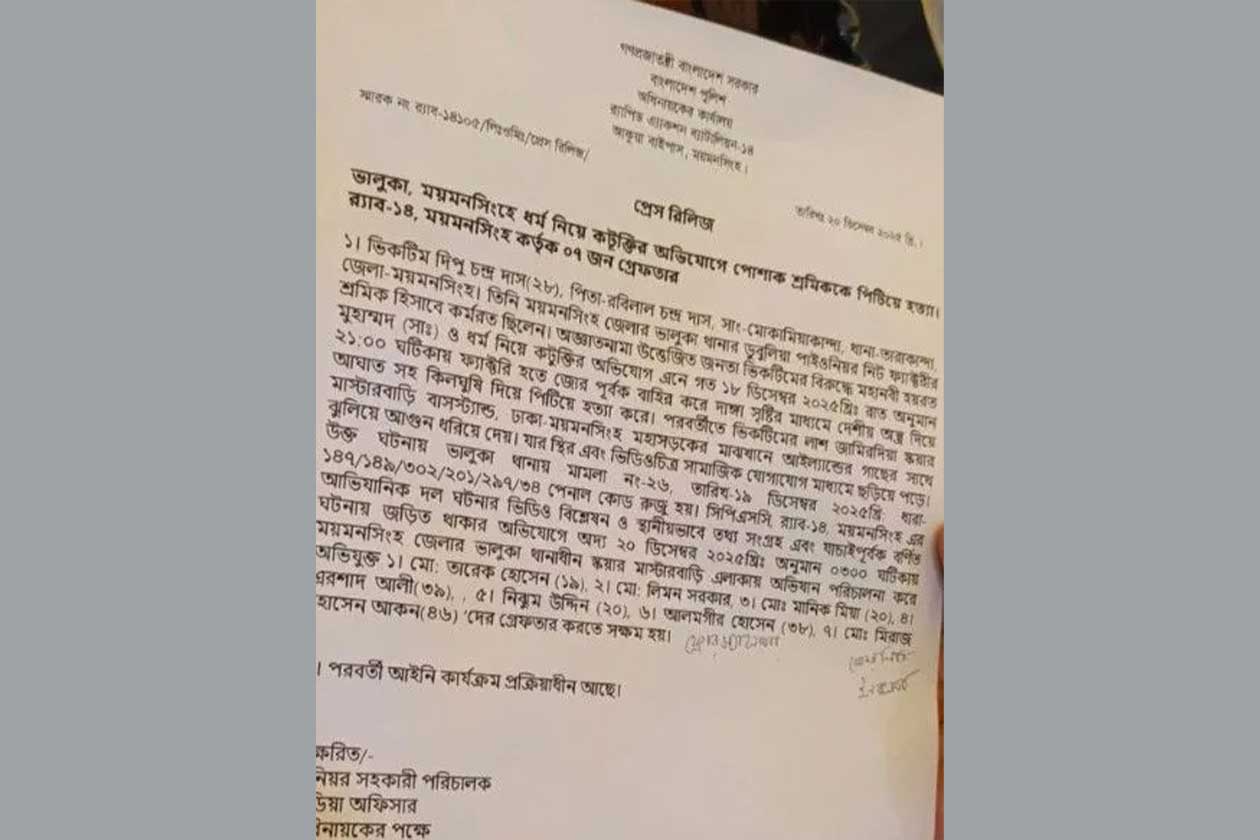
Authorities have so far arrested 10 suspects, including officials of Pioneer Knitwears BD Ltd. and local residents. Those arrested by RAB include factory floor manager Alamgir Hossain (38), quality control in-charge Miraj Hossain Akon (46), and factory workers Tarek Hossain (19), Limon Sarker (22), Manik Mia (20), Ershad Ali (39) and Nijhum Uddin (20).
Police separately arrested Azmal Hasan Sagir (26) and Shahin Mia (19), both residents of Bhaluka, as well as Nazmul (21) from Brahmanbaria district.
Law enforcement officials said none of those detained are affiliated with any political party. Efforts are continuing to identify and arrest additional suspects seen in video footage of the attack.
While the case is being formally investigated by local police, RAB has launched a parallel “shadow investigation” to ensure accountability, Hasan said.
While the case is being formally investigated by local police, RAB has launched a parallel “shadow investigation” to ensure accountability.
Government Response
In a statement, the interim government condemned the killing, calling it “a grave criminal act with no place in a civilized society.”
“No one involved in this brutality will be spared,” the statement said. “The rule of law must prevail over mob justice.”
Family Left Destitute
On Friday, Dipu’s younger brother, Apu Chandra Das, filed a murder case at Bhaluka Model Police Station, naming 150 unidentified individuals as accused.
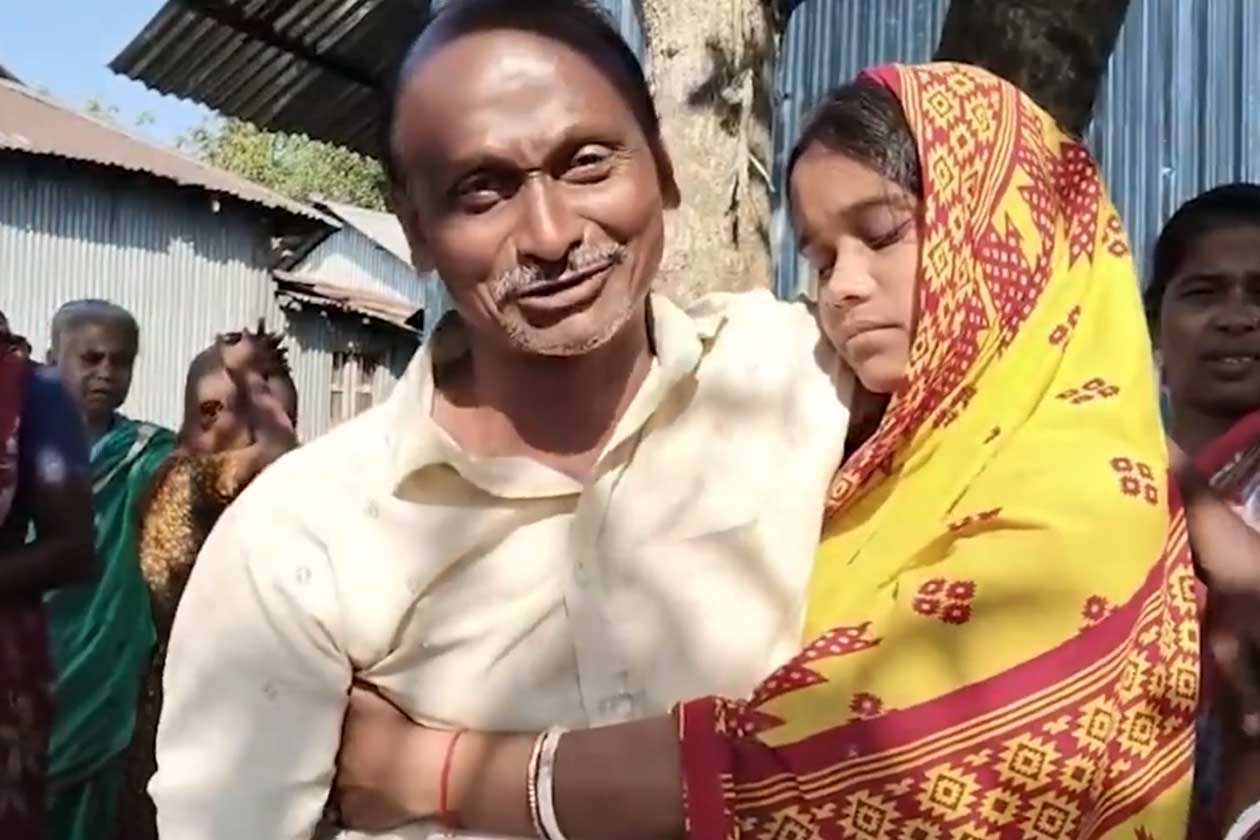
Family members say Dipu’s death has left them financially and emotionally devastated.
“If he had committed any crime, the law could have handled it,” said a cousin. “Instead, he was beaten, burned, and killed in public.”
Another relative added, “Dipu supported the entire family. Now his wife has a baby (18 months) to raise, and his parents are sick with grief.”
Dipu’s wife, speaking briefly to reporters, said, “My child has lost her father. I want justice.”
A Broader Concern
Human rights groups warn that the killing reflects a broader pattern of mob violence linked to religious allegations in Bangladesh, often exacerbated by misinformation, social media amplification, and institutional failure.
As investigations continue, the case of Dipu Chandra Das stands as a stark reminder of the deadly consequences of unchecked vigilantism—and the urgent need for stronger protections for vulnerable workers and minorities.


